India does not reveal itself quietly. It bursts open in colour, light, and sound. For a nature photographer, this country is less a destination and more a calling. From the misty backwaters of Kerala to the raw, high-altitude silence of Ladakh, every frame here tells a story worth telling.
Whether you are chasing a tiger through tall grass or waiting for the first flamingo to lift off over the Rann of Kutch, the light in India is like nowhere else on earth. Photography tours in India have grown into a world of their own, attracting serious photographers and curious beginners alike.
At Custom Tours India, every expedition is built around your vision. As a recognized best bespoke cultural & heritage tour operator, we craft photography itineraries that go beyond the generic. Private guides, flexible schedules, golden-hour access, and local knowledge you simply cannot Google.
Let us take you through India’s top eight locations for nature photography.
1. Ranthambore National Park, Rajasthan
Ranthambore sits in Rajasthan’s rugged landscape, a place where ancient forts crumble at the edge of the jungle and tigers walk through their shadow. It is one of the most photogenic wildlife destinations in the world.
Book Here:- Golden Triangle Tour with Tigers
Why Photograph Here:
The park’s mix of dry deciduous forest, open lakes, and historic ruins creates a backdrop that is unlike any other tiger reserve. Tigers here are famously relaxed around jeeps, making sightings long and close. You might catch a tigress drinking from Padam Lake, her reflection trembling in the still water. That image does not happen by accident. It happens because you were in the right place, at the right time, with the right guide.
For many photographers, this is the wildlife photography tour in India they dream of experiencing at least once.
Subjects to Capture:
Tigers, of course. But also marsh crocodiles, Indian rock pythons, painted storks, and the majestic sambar deer. The ruins of Ranthambore Fort, draped in morning mist, deserve their own roll.
Unique Experiences:
We arrange exclusive morning and evening safari slots, guiding you at waterholes during golden hour when the light turns amber and everything glows. Night drives in buffer zones offer a different world entirely.
Best Time to Visit:
October to June, with peak tiger sightings from March to May when the vegetation thins and animals gather near water.
2. Bharatpur Bird Sanctuary, Rajasthan
Keoladeo Ghana National Park in Bharatpur, Rajasthan, is a wetland of global importance. For anyone planning a bird photography tour in India, this is a non-negotiable stop.
Why Photograph Here:
The park hosts thousands of resident and migratory birds across a landscape of shallow marshes, dry grasslands, and woodland. In winter, it becomes one of the densest bird-photography locations on the planet. Painted storks nest in enormous colonies, and the light over the water in the early morning is simply extraordinary.
Subjects to Capture:
Painted storks, Sarus cranes (the world’s tallest flying bird), purple herons, Indian darters, and in winter, migratory ducks and waders from Central Asia. Raptors like the greater spotted eagle and booted eagle are regular visitors.
Unique Experiences:
Cycle rickshaws and walking trails allow silent, low-impact movement through the park. Guided photography tours in India do not get more intimate than a slow rickshaw drift through Keoladeo at dawn, with storks overhead and the first light breaking through the trees.
Best Time to Visit:
November to February for migratory species, making it an excellent period for a bird photography tour in India. October and March are ideal for observing resident birdlife and nesting activity.
3. Spiti Valley, Himachal Pradesh
Spiti Valley in Himachal Pradesh is not an easy place to reach. That is exactly the point. Perched above 4,000 meters in the rain shadow of the Himalayas, this cold desert is one of the most dramatic landscape photography destinations on earth.
Why Photograph Here:
The light here is otherworldly. Thin air, high altitude, and a complete absence of haze give every photograph a clarity that is almost shocking. Ancient monasteries cling to cliff faces. Meadows of wildflowers appear in July like a quiet miracle. And on clear winter nights, the Milky Way pours across the sky in a way that makes you forget you are photographing and just stare.
Few landscape photography tours in India venture into terrain this raw.
Subjects to Capture:
The snow leopard is the holy grail, occasionally spotted in winter around Kibber and Chicham. Beyond that: the monasteries of Key and Tabo, the lunar-like valleys around Langza, the fossil fields at Hikkim, and yaks moving slowly across ridgelines at dusk.
Unique Experiences:
Custom Tours India organizes night sky photography sessions at high-altitude camps where light pollution is essentially zero. Winter expeditions include snow leopard tracking with local naturalists. Each itinerary is built around the season, the subject, and you.
Best Time to Visit:
June to September for landscapes and wildflowers. December to February for snow leopards and night sky photography (requires cold-weather preparation).
4. Kaziranga National Park, Assam
Kaziranga in Assam is one of the great conservation success stories of the 20th century. It protects two-thirds of the world’s population of the Indian one-horned rhinoceros. For wildlife photographers, it is both a privilege and a thrill.
Why Photograph Here:
The landscape is breathtaking: tall elephant grass, open floodplains, and the Brahmaputra River shimmering in the background. Rhinos here are abundant and accessible, often grazing in the open with enough light for a clean shot. Elephants, swamp deer, wild water buffalo, and tigers round out an extraordinary cast of subjects.
Subjects to Capture:
Indian one-horned rhinoceros at close range. Wild Asian elephants in large herds. The greater adjutant stork, one of the world’s most endangered large birds, is found here in significant numbers. Its rich avian diversity also makes Kaziranga a highlight of any bird watching tour in India, particularly for those seeking rare wetland species.
Unique Experiences:
Elephant-back safaris offer a completely different vantage point, allowing you to move quietly through tall grass where a jeep cannot go. A good operator should arrange dedicated photography jeeps with custom mounts and flexible stop times.
Best Time to Visit:
November to April. The park closes during monsoon flooding, which actually renews its ecosystems beautifully.
5. The Sundarbans, West Bengal
The Sundarbans stretch across the Bay of Bengal, shared between India and Bangladesh. This is the largest mangrove forest on earth. It is moody, mysterious, and unlike anything else you will photograph in your life.
Why Photograph Here
The light in the Sundarbans changes constantly. Tidal creeks reflect the pale sky in the morning and turn deep copper by late afternoon. Mangrove roots create extraordinary textures at every turn. And somewhere in those dense, shadowed forests lives the Royal Bengal Tiger, a creature so elusive here that even a distant sighting feels like a gift.
This is a photography tour in India at its most atmospheric.
Subjects to Capture:
Royal Bengal Tigers (spotted from forest watchtowers and boats). Saltwater crocodiles basking on mudflats. Spotted deer moving cautiously at the forest edge. Kingfishers, egrets, and the rare Irrawaddy dolphin in the tidal channels.
Unique Experiences:
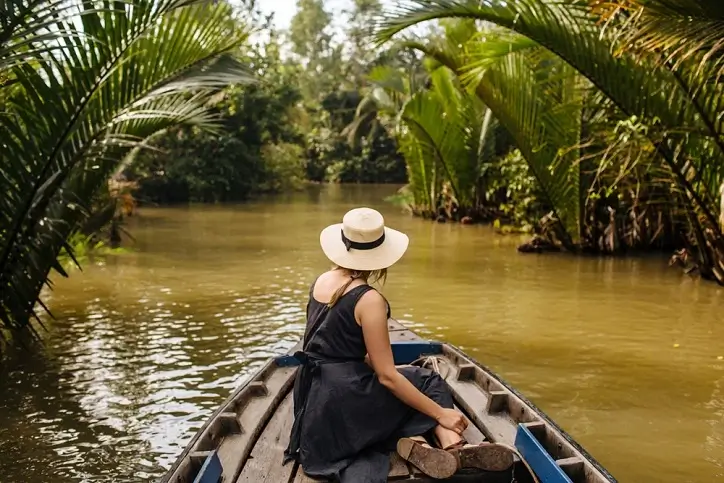
Guided photography tours in India do not usually include a houseboat that drifts silently through a mangrove creek at dawn. Custom Tours India can arrange exactly that. Floating through the forest before the heat rises, camera ready, the only sound being water against the hull, is something you do not forget.
Best Time to Visit:
October to March. Tides and light are most cooperative in the cooler months, and wildlife is more visible along the water edges.
6. Rann of Kutch, Gujarat
Gujarat’s Rann of Kutch is one of the strangest and most beautiful landscapes in Asia. A vast white salt desert that floods in monsoon and dries into a cracked, infinite plain by winter. And rising from it, improbably, thousands of flamingos.
Why Photograph Here:
The scale overwhelms you first. Then the colour does. Flocks of lesser flamingos turn the horizon pink. At sunrise, the salt flats catch the light and glow like something from another planet. These are landscape photography tours in India at their most surreal and spectacular.
Subjects to Capture:
Lesser and greater flamingos in massive flocks. Indian wild ass in the Little Rann section. Wolves, desert foxes, and blackbuck on the grassland edges. The white salt desert itself makes for minimalist landscape photography that is deeply compelling.
Unique Experiences:
Full moon nights on the Rann are legendary. The salt flats glow silver, the silence is absolute, and long-exposure photography here produces images that look almost fabricated. You can enjoy the full moon excursions timed precisely for the best conditions.
Best Time to Visit:
November to February. The Rann Utsav festival period (November to March) adds a cultural layer for photographers interested in craft, costume, and community.
7. Kerala Backwaters and the Western Ghats
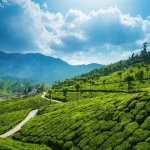
Kerala is India’s soft spot. Rolling hills of tea, rivers braided with water hyacinth, houseboats drifting past paddy fields, and the Western Ghats rising behind it all in layers of green. For nature photographers who love the quieter, more intimate image, Kerala is a paradise.
Book Here:- Exotic Kerala Tour
Why Photograph Here:
The Western Ghats are a biodiversity hotspot. Rare frogs, endemic birds, wild elephants, and leopards all live within this range. The backwaters offer a completely different mood: reflective, slow, and deeply peaceful. The best photography tours in India include destinations that offer this kind of contrast, and Kerala delivers it fully.
Subjects to Capture:
The Malabar giant squirrel, Nilgiri tahr, Indian bison (gaur), great hornbill, and Malabar pied hornbill in the Ghats. On the backwaters: purple swamphens, jacanas walking on lily pads, and the morning mist lifting off still water.
Unique Experiences:
Guided photography tours in India often overlook the Western Ghats as a serious wildlife destination. You can get access to private estates in Wayanad and Coorg for dawn forest walks and backwater photography cruises timed around golden hour on Vembanad Lake.
Best Time to Visit:
September to March. The post-monsoon period brings lush green landscapes and active wildlife. January and February offer particularly clear conditions in the hills.
8. Rajasthan’s Desert and Forts
Rajasthan is already famous as the heart of the Golden Triangle Tour India circuit. But for nature photographers, it holds something most visitors miss: the Thar Desert at the edges of the day.
Why Photograph Here:
At dawn, the dunes around Jaisalmer turn from grey to gold to burning orange in the space of twenty minutes. Migratory birds settle in thousands on the lakes of Kheechan, where demoiselle cranes descend in flocks so large they darken the sky. The combination of heritage architecture and wild landscape makes Rajasthan one of the most visually layered destinations in the world.
Subjects to Capture:
Demoiselle cranes at Kheechan. Indian bustard in the Desert National Park. Sand dunes at first and last light. Chinkara gazelles moving across scrubland. And the forts and havelis of Jaisalmer, which glow amber at sunset in a way that feels almost designed for photography.
Unique Experiences:
Photography tours in India rarely include a pre-dawn jeep ride to a private dune spot with a local guide who knows exactly where the light will land.
Best Time to Visit:
November to February for desert wildlife and migratory birds. October and March offer softer light and fewer crowds.
End Note
India rewards those who come prepared and those who come curious. Its landscapes shift from desert to jungle to mountain to sea within a single country. Its wildlife is ancient and, in many places, fragile. Every image you take here carries the weight of a world worth protecting.
The best photography tours in India are not just about the photograph. They are about the stillness before it. The anticipation. The moment when the light, the subject, and your instincts align.
Custom Tours India has built a reputation around making those moments happen more often. We craft our guided tours for your specific interests, pace, and creative vision. Whether you are joining as a solo photographer, a couple, or a small group, the itinerary is yours.
Book your best, most memorable photography tour with Custom Tours India today!